AS IT RELATES TO PODCASTING
As It Relates to Podcasting is the go-to podcast for entrepreneurs, coaches, consultants, and content creators who want to launch, grow, and monetize a high-impact show that actually supports their business.
Hosted by podcast strategist and producer Simona Costantini, this podcast teaches you how to start your show with confidence, increase your downloads, attract sponsors and collaborations, streamline your systems, and turn your episodes into a revenue-generating marketing engine.
Each week, you’ll get actionable strategies, expert insights, and behind-the-scenes guidance to help you stand out, stay consistent, and build a profitable podcast that resonates with your ideal audience.

How We’d Launch a Podcast in 2026 If We Had to Start Over
Search-First Strategy That Makes Growth Feel Inevitable (Without Burning Out)
If we had to start a podcast in 2026 with zero audience, zero momentum, and zero shortcuts, we wouldn’t start by buying fancy gear or brainstorming clever names. We would start with search.
Because the hardest part of podcasting right now isn’t content creation. It’s being found.
Podcasting in 2026 rewards clarity more than charisma, and systems more than spurts of motivation. The shows that grow are built intentionally, so your content can travel without you dragging it across the internet like a suitcase with one broken wheel.
Algorithms may introduce your show. But only people decide whether it’s worth returning to.
Below is exactly how we would launch today, step by step, using what works now (not what we were taught five years ago).
Part 1: Design for Search Before You Ever Hit Record
Most podcasters start by asking: What should my first episode be about?
In 2026, the better question is: What are people already searching for that my show can solve?
Stop being clever, start being findable
One of the biggest mistakes I see is creators trying to cut through the noise with a super clever name or metaphor. Fun, yes. Effective for search, not always.
Instead, choose a show name that includes a searchable phrase, then back it up with a show description that does three things clearly:
Who the show is for
Why it exists
Why they should care
There’s so much content out there. “Because I wanted to” isn’t a strategy. Your description needs to tell the internet and real humans what problem you solve, and who should press play.
Build 3 content buckets and commit for 10 episodes
Traditional podcasting let you do one random topic here, one random topic there, and call it “variety.” In 2026, variety can look like confusion. Platforms don’t know how to categorize you, and when the algorithm has to guess, it usually guesses wrong.
That’s why I’d pick three core topic buckets and commit to them for the first 10 episodes. Not the same episode repeated 10 times, just a clear throughline that makes your show legible to listeners and platforms.
Title your episodes after the conversation, not before
A lot of people title episodes before recording. I’ve never loved this, because real conversations have a mind of their own (and thank goodness, because the best moments are usually unplanned).
So here’s what I do:
Go into the recording with an intention
Let the conversation unfold
Title the episode based on what you actually talked about, not what you thought would happen
That one shift improves relevance, strengthens SEO alignment, and makes your title match the real promise of the episode.
Part 2: Launch With Intent, Not Just Hype
Yes, build excitement. Take people behind the scenes. Bring them along. But hype without intention turns into noise.
Release a trailer, then drop 3 episodes at once
If I were launching from scratch today, I would:
Release a trailer a week (or less) before launch
Use that week to build context (what the show is, who it’s for, why it matters)
Drop three episodes at once on launch day
Why three? Because you want enough content for someone to binge. Binge behavior increases retention signals, strengthens early listen-through, and tells platforms this show is worth keeping around.
Make the first 3 episodes your audience’s top 3 questions
Not everyone is interested in the same topic. So I’d build the launch around what your audience asks you over and over and over again. Those should be your first three episodes.
This is how you start with relevance, not randomness.
Make Episode 0 a solo episode
If someone has never met you, they need to know who you are, what the show is for, and why they should trust you with their time. Even if they have followed you for years, they want to go deeper with your story.
One of the keys to a successful podcast is a show where the audience relates to the host. You do not need to share every detail. You do need a connection.
Write titles like Google searches (question-based or outcome-driven)
If your title is “Episode 1 with Jane,” you’re basically hiding your own content behind a curtain and whispering, “Good luck.”
Instead, make titles:
Question-based (what people type into search)
Outcome-driven (what they’ll be able to do, fix, or understand)
Submit to Apple and Spotify early
Give platforms time to index your show before you start promoting it. I typically submit about five days before launch, so links are live and the show has time to settle in.
Part 3: Build Distribution Into the Workflow Ahead of Time
The biggest difference in 2026 is that publishing is not the finish line. It’s the starting gun.
If I were starting over, I would decide before launch how every episode becomes:
YouTube content (long-form)
Clips
A long-form post
Email content
Whatever your ecosystem includes
Then I’d create one simple, repeatable publishing checklist. Not chaotic. Not “we’ll figure it out.” Simple enough that future-you can follow it even when you’re tired, traveling, or your motivation is on a coffee break.
Because once you launch, weeks come fast. Having a process protects consistency, and consistency protects growth.
Final Thoughts: A Successful Podcast in 2026 Is Built on Clarity
If there’s one thing I want you to take from this, it’s this:
A successful podcast is not built on trends, hype, or luck. It’s built on clarity.
Clarity in who it’s for.
Clarity in what it helps with.
Clarity in how people discover it when you’re not online promoting it.
If you’re launching or relaunching, don’t rush to be everywhere. Build something findable. Build something intentional. Because when your podcast is designed to be discovered, growth stops feeling like a grind and starts to feel inevitable.
✨ Free Resource
Download my Podcast Launch Blueprint for templates, checklists, and strategies to help you launch or relaunch your podcast with confidence.
About Simona Costantini
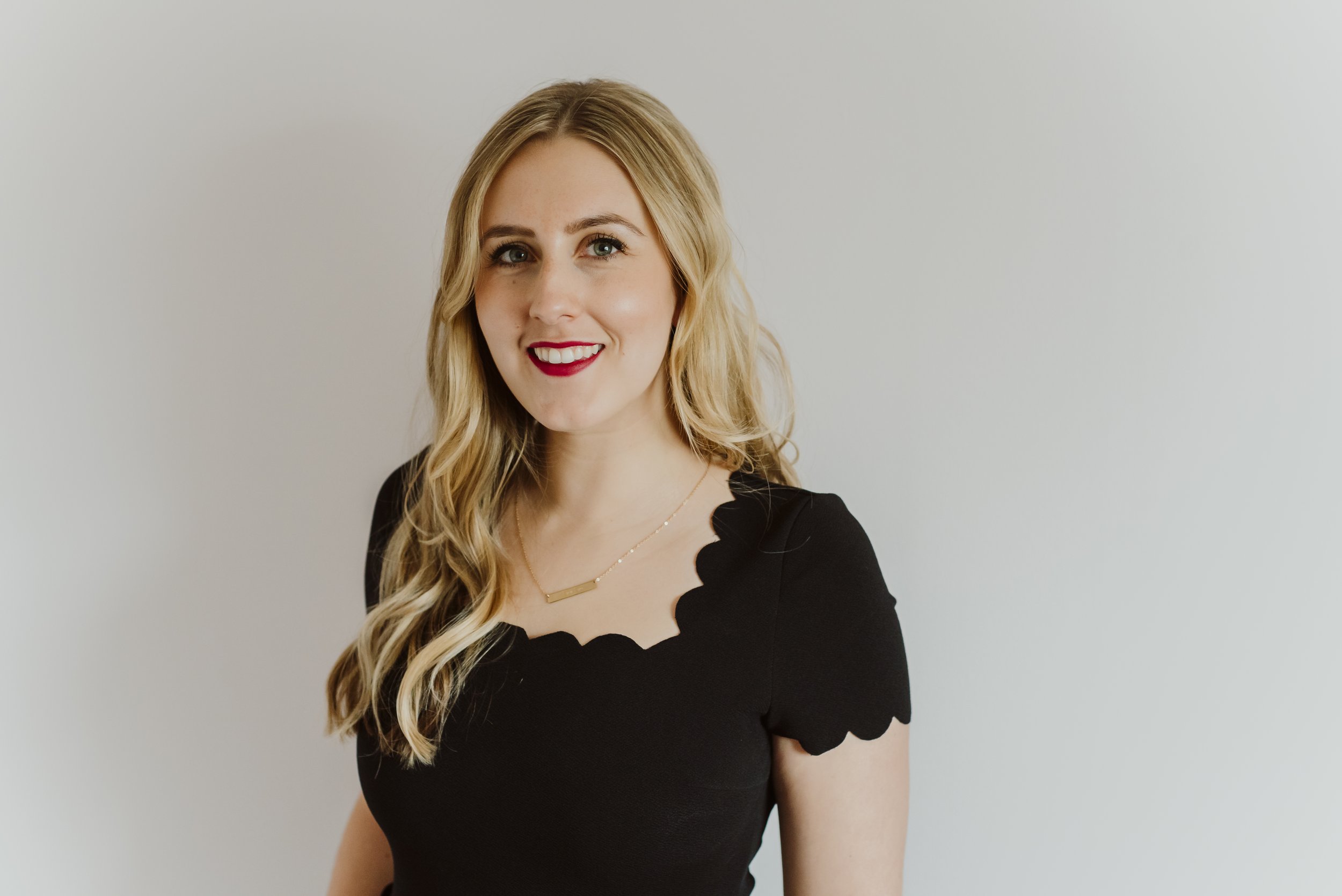
Simona Costantini is the Founder and CEO of VOLT Productions, a leading podcast production agency with 30+ weekly shows, many ranking in the top 30-100 in their niches. Simona is a dynamic speaker and podcast host known for delivering actionable insights and value.
She hosts "Happiness Happens" and "As It Relates to Podcasting" and empowers female entrepreneurs in parenting, wellness, and marketing to launch and grow their podcasts. Her mission is to empower creators to make a meaningful impact with their voices, drawing from her 10+ years of marketing and PR experience. When not working, she enjoys life in wine country with her cockapoo, Gus.
Connect with Simona here:
Instagram: www.instagram.com/simona__costantini
Business Instagram: www.instagram.com/volt.productions
LinkedIn: https://www.linkedin.com/in/simona-costantini-25653a30/
Pinterest: https://www.pinterest.com/SimonaCostantini_/
Website: www.voltproductions.co

SHOW TRAILER