AS IT RELATES TO PODCASTING
As It Relates to Podcasting is the go-to podcast for entrepreneurs, coaches, consultants, and content creators who want to launch, grow, and monetize a high-impact show that actually supports their business.
Hosted by podcast strategist and producer Simona Costantini, this podcast teaches you how to start your show with confidence, increase your downloads, attract sponsors and collaborations, streamline your systems, and turn your episodes into a revenue-generating marketing engine.
Each week, you’ll get actionable strategies, expert insights, and behind-the-scenes guidance to help you stand out, stay consistent, and build a profitable podcast that resonates with your ideal audience.

Should You Start a Video Podcast in 2026?
What Works, What Doesn’t, and Why Audio Still Wins
Video podcasting is everywhere right now, but most people are adding video in without understanding what problem it actually solves.
And that’s how creators end up doing the most, spending the most, and enjoying it the least.
If you’ve been thinking, “I need to start a video podcast,” let’s slow down for a second. Not because video is bad. It’s not. Video can be an incredible distribution strategy.
But it is not a requirement.
In 2026, the question is not “Should I do video?”
The real question is, “Can I do it in a way that helps my message, and doesn’t drain my voice?”
Below is the simple, strategic breakdown.
Part 1: Video Is a Distribution Strategy, Not a Requirement
Video helps discoverability, but not always depth.
YouTube can get your content surfaced and seen, it can bring eyes fast. But eyes do not automatically turn into loyalty. People can click, bounce, move on, and never return.
Video is great for reach.
But retention still comes from conversation quality.
Here’s the key distinction:
Video can help people find you.
Audio helps people stay with you.
Even if you build a video-first show, you still have an audio component. Your voice is doing the heavy lifting either way. Without strong audio, the video loses connection fast.
So yes, video gets clicks.
But audio builds the relationship.
Part 2: YouTube Rewards Clarity and Consistency More Than Aesthetics
YouTube cares about watch time. It tracks how long people stay, not whether you have a studio that looks like a Netflix special.
Production value can help watch time, but the bigger growth lever is this:
Clarity.
Your title matters.
Your structure matters.
Your format matters.
A confusing format, a slow ramp-up, unclear positioning, or a “what are we even talking about” episode can kill a very good video.
In 2026, the platform is less forgiving because people have too many options. If the value isn’t clear quickly, the viewer leaves.
The growth move is not “make it prettier.”
It’s “make it clearer.”
Part 3: Bad Video Can Hurt More Than No Video
This is where a lot of creators get quietly stalled.
Audio has to be good no matter what. Video can be slightly more forgiving, but only up to a point. Poor lighting, bad framing, grainy visuals, and inconsistent uploads, these erode trust.
And the bigger issue is distraction.
If your video is visually noisy, it pulls attention away from your message. Instead of hearing what you’re saying, your viewer is thinking, “Why is the camera tilted like it’s trying to escape?”
Sometimes an audio-only podcast avoids this risk entirely.
No video is not a failure.
Bad video is a tax.
Part 4: Audio Still Wins for Intimacy and Loyalty
Audio audiences tend to stay longer.
They listen while driving, walking, cooking, commuting, and living. Audio fits into real life, which is why completion rates are often higher. It becomes habitual, and habit is one of the strongest growth engines you can build.
Long-term loyalty tends to favor audio because it’s easier to commit to. Video asks for full attention. Audio slips into the day like a trusted friend.
And at the center of it all is your voice.
Your tone, pacing, vulnerability, and consistency build familiarity. People recognize voices. They remember voices. They trust voices.
Podcasting is relationship-building, and audio is the relationship medium.
Part 5: Multitasking Is a Growth Advantage
This is the part most creators overlook.
Listeners do not need to stop what they’re doing to press play. That matters.
When content is easy to consume, it becomes repeatable. Repeatable becomes consistent. Consistency becomes loyalty.
That’s how an audience forms, not from one viral moment, but from a habit loop.
Audio creates that loop.
Part 6: The Strategic Hybrid Approach (Audio First, Video Optional)
This is the simplest sustainable strategy for most creators in 2026:
Record audio first.
Audio quality is non-negotiable.
Then, use video as an optional output, especially if you want discoverability from YouTube. This lowers pressure and increases sustainability, because you’re not forcing every episode to be a full visual production.
Here’s the job separation that makes this work:
Use video for discoverability (clips bring people in).
Use audio for relationships (audio keeps them coming back).
It’s one ecosystem, but each format has a different role.
Part 7: Only Add Video If You Can Sustain It
Sustainability beats trends every single time.
Consistency outweighs perfection.
And resentment kills creativity.
If video makes you dread recording, you won’t show up. If you won’t show up, growth stalls. The best format is the one you can keep creating without draining yourself.
Choose the format that supports your voice, not the one that drains it.
Final Thoughts: Choose the Format That Protects Your Message
Video is powerful, but it’s not the point.
The point is clarity, connection, and consistency.
If you want video, build it intentionally.
If you want audio-only, own it confidently.
If you want a hybrid, let audio lead and let video support.
In 2026, the creators who win are not the ones doing the most. They’re the ones doing what they can sustain, with a message that lands.
And if you’re stuck deciding, here’s the simplest filter:
Does this format make it easier for you to show up every week?
If yes, you’re on the right path.
✨ Free Resource
If you want support building a podcast growth strategy that fits your real life (and doesn’t turn content into a second job), my Podcast Success Vault membership is open. We workshop real challenges, build real plans, and make growth feel doable again.
About Simona Costantini
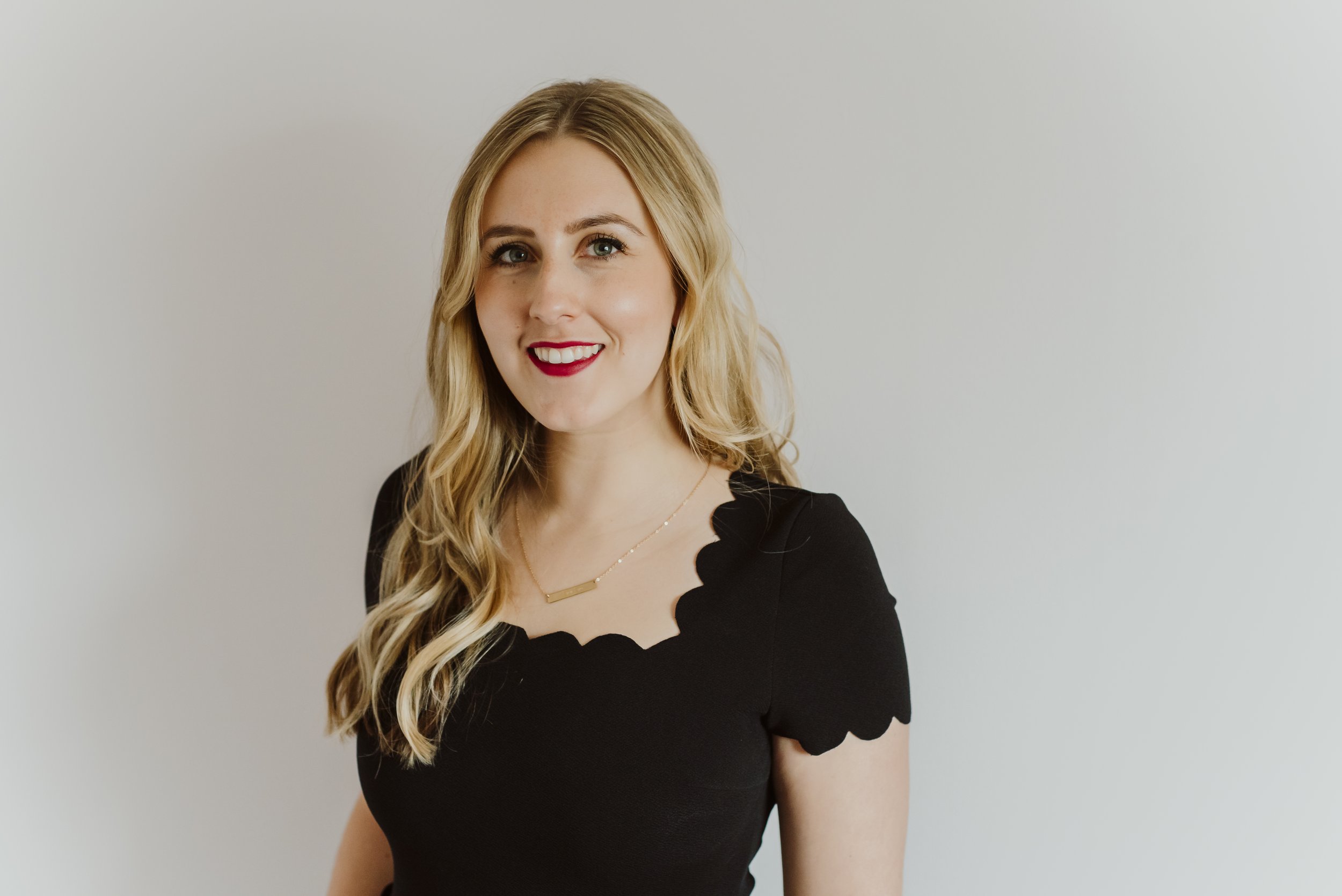
Simona Costantini is the Founder and CEO of VOLT Productions, a leading podcast production agency with 30+ weekly shows, many ranking in the top 30-100 in their niches. Simona is a dynamic speaker and podcast host known for delivering actionable insights and value.
She hosts "Happiness Happens" and "As It Relates to Podcasting" and empowers female entrepreneurs in parenting, wellness, and marketing to launch and grow their podcasts. Her mission is to empower creators to make a meaningful impact with their voices, drawing from her 10+ years of marketing and PR experience. When not working, she enjoys life in wine country with her cockapoo, Gus.
Connect with Simona here:
Instagram: www.instagram.com/simona__costantini
Business Instagram: www.instagram.com/volt.productions
LinkedIn: https://www.linkedin.com/in/simona-costantini-25653a30/
Pinterest: https://www.pinterest.com/SimonaCostantini_/
Website: www.voltproductions.co

SHOW TRAILER