AS IT RELATES TO PODCASTING
As It Relates to Podcasting is the go-to podcast for entrepreneurs, coaches, consultants, and content creators who want to launch, grow, and monetize a high-impact show that actually supports their business.
Hosted by podcast strategist and producer Simona Costantini, this podcast teaches you how to start your show with confidence, increase your downloads, attract sponsors and collaborations, streamline your systems, and turn your episodes into a revenue-generating marketing engine.
Each week, you’ll get actionable strategies, expert insights, and behind-the-scenes guidance to help you stand out, stay consistent, and build a profitable podcast that resonates with your ideal audience.
How to Grow a Podcast in 2026 From Scratch (What I’d Do Differently)
The Sustainable Podcast Growth Strategy for 2026
If you’re trying to figure out how to grow a podcast in 2026 from scratch, you’re not alone. Many creators are launching shows into an already crowded landscape and wondering why growth feels slow, fragile, or inconsistent.
When traction does not happen immediately, the instinct is to do more. Publish more episodes. Promote harder. Expand to more platforms. Add more tools. Increase output.
But if I had to start over in 2026 with no audience, no team, and no momentum, I would not try to do more.
I would simplify.
Because sustainable podcast growth in 2026 is not about volume. It is about clarity, discoverability, and retention.
Master One Platform Before You Try to Win Everywhere
One of the biggest mistakes new podcasters make is trying to grow on every platform at once. YouTube, Apple Podcasts, Spotify, social media clips, newsletters, short-form video. The result is diluted effort and average performance across the board.
If I were starting from zero, I would choose one primary discovery engine and build around it intentionally. If my content were highly searchable and educational, I would prioritize YouTube because it functions as a search engine. If my show were more relationship-driven or interview-heavy, I might prioritize audio platforms like Apple Podcasts or Spotify.
The key is optimization. Each platform has different title structures, description formats, engagement expectations, and retention patterns. Mastering one platform deeply will always outperform being vaguely present on five.
In 2026, discoverability comes from precision, not presence.
Define Exactly Who Your Podcast Is For
If you cannot clearly articulate who your podcast helps and what specific problem it solves, your growth will stall.
Your show is not for everyone. It should not try to be.
A powerful exercise is to create two positioning statements. First, define who the show helps and what outcome they can expect. Second, define who the show is not for. This sharpens your message and filters your audience with intention.
When your episodes speak directly to a listener’s current struggle, they stay longer. They share more often. They return consistently. When your message is broad, it becomes forgettable.
Audience clarity is one of the most overlooked podcast growth strategies in 2026, yet it is foundational to retention and conversion.
Structure Every Episode Around One Clear Promise
Another shift I would make immediately is simplifying my episode structure. Each episode would have one clear promise. Not multiple ideas competing for attention. Not scattered insights. One outcome.
Before recording, I would define exactly what the listener will gain. Then I would communicate that promise clearly at the beginning of the episode and reinforce it throughout.
This approach improves retention, sharpens delivery, and makes the episode easier to share. It also prevents unnecessary tangents that dilute impact.
In a crowded content landscape, clarity wins attention.
Build Habits Before Ambition
If you are starting a podcast from scratch in 2026, consistency matters more than frequency. Choose a publishing cadence you can sustain for at least twelve weeks without burnout.
Biweekly can outperform weekly if it protects quality and energy. What matters is reliability. Listeners build trust through rhythm. When your publishing schedule constantly changes, momentum breaks.
Batch recording is another essential system. Recording multiple episodes in one focused session reduces context switching and increases efficiency. It also protects you when life inevitably interrupts your plans.
Sustainable growth is built on repeatable habits, not bursts of intensity.
Simplify Your Production Stack
You do not need an elaborate setup to grow a podcast in 2026. A reliable microphone, a quiet recording space, and consistent production quality are enough to begin.
Chasing new tools and constantly switching editing platforms creates unnecessary friction. Instead, establish one streamlined workflow and refine it over time. Create a simple production checklist that includes export settings, file naming conventions, upload steps, and volume consistency.
When your production process is simple, you are more likely to stay consistent. When it is complicated, avoidance creeps in.
Systems reduce friction. Friction slows growth.
Use Repeatable Formats to Reduce Decision Fatigue
Creative exhaustion is real, especially when you are building from zero. One way to protect your energy is to establish repeatable episode formats. This might include frameworks like “three mistakes and how to fix them,” step-by-step breakdowns, or case study analyses.
Templates provide structure. Structure increases confidence. Confidence improves delivery.
Repeatable formats also train your audience to understand what to expect, which strengthens retention over time.
Let Data Guide Your Decisions
One of the most important lessons in growing a podcast in 2026 is learning to respond to data instead of guessing.
Pay attention to listener retention. Where do listeners drop off? Which episodes are finished nearly in full? What topics are saved and shared? What phrases appear repeatedly in comments and direct messages?
The episodes people complete are your signal. Those are the themes to expand upon.
If listeners consistently leave in the first two minutes, it may not be the topic. It could be the hook, the intro length, or delivery pacing. Small structural adjustments can significantly improve retention.
Growth accelerates when you stop assuming and start analyzing.
Clarity, Repeatability, and Retention
If I had to start over today, I would stop chasing more and start chasing clarity.
The podcasts that grow in 2026 are not necessarily the loudest. They are the easiest to find, the easiest to follow, and the easiest to stick with.
Discoverability matters. Structure matters. Retention matters.
When you simplify your platform strategy, define your audience precisely, build repeatable systems, and let data guide your direction, growth stops feeling random. It starts feeling intentional and sustainable.
That is how to grow a podcast in 2026 from scratch.
✨ Ready to Build a Sustainable Podcast Growth Strategy?
If you want support designing a podcast growth strategy in 2026 that fits your real life and actually connects your show to something bigger, the Podcast Success Vault membership is open.
We workshop real challenges, refine real positioning, and build ecosystems that compound instead of collapse.
About Simona Costantini
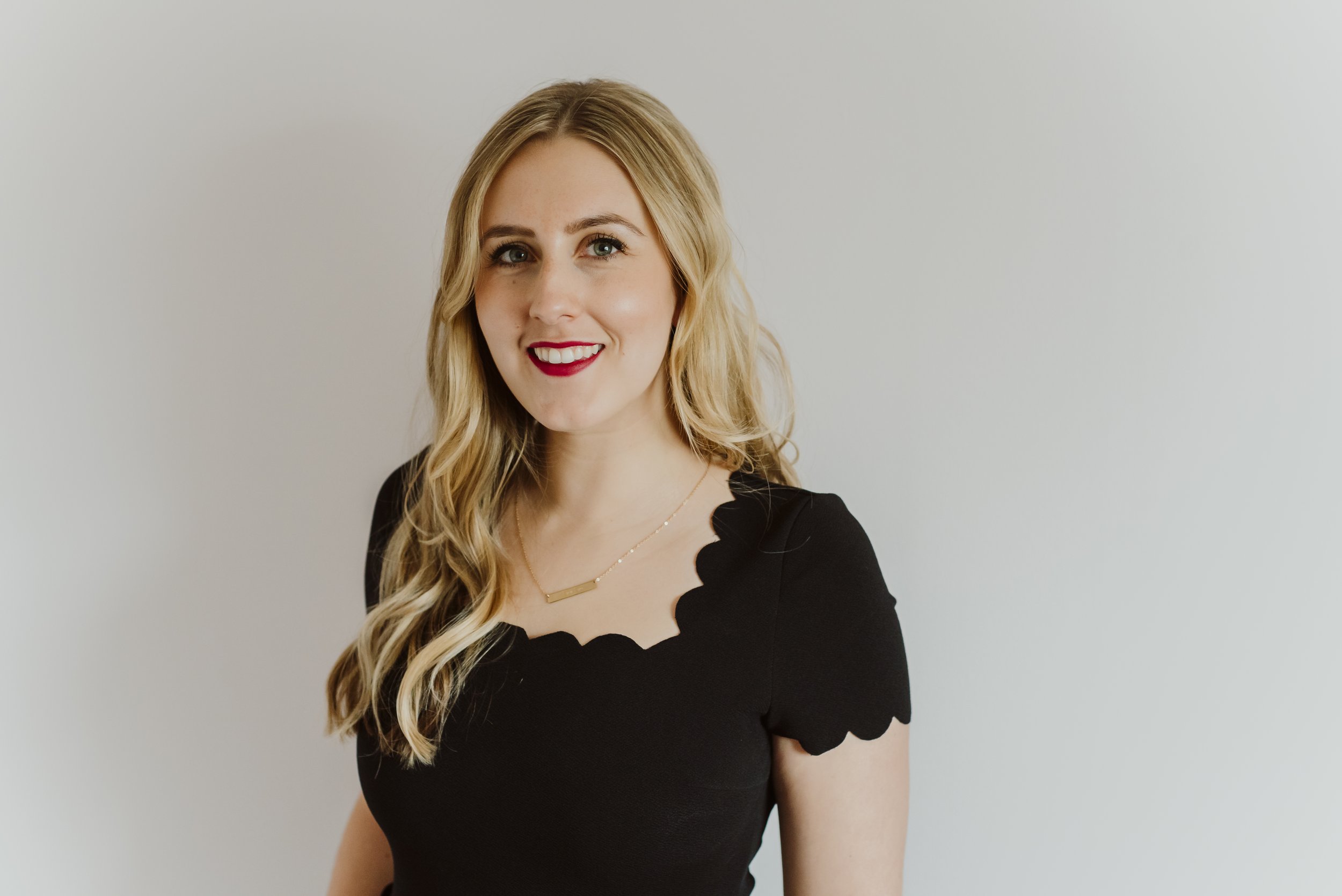
Simona Costantini is the Founder and CEO of VOLT Productions, a leading podcast production agency with 30+ weekly shows, many ranking in the top 30-100 in their niches. Simona is a dynamic speaker and podcast host known for delivering actionable insights and value.
She hosts "Happiness Happens" and "As It Relates to Podcasting" and empowers female entrepreneurs in parenting, wellness, and marketing to launch and grow their podcasts. Her mission is to empower creators to make a meaningful impact with their voices, drawing from her 10+ years of marketing and PR experience. When not working, she enjoys life in wine country with her cockapoo, Gus.
Connect with Simona here:
Instagram: www.instagram.com/simona__costantini
Business Instagram: www.instagram.com/volt.productions
LinkedIn: https://www.linkedin.com/in/simona-costantini-25653a30/
Pinterest: https://www.pinterest.com/SimonaCostantini_/
Website: www.voltproductions.co

SHOW TRAILER