
AS IT RELATES TO PODCASTING
As It Relates to Podcasting is the go-to podcast for entrepreneurs, coaches, consultants, and content creators who want to launch, grow, and monetize a high-impact show that actually supports their business.
Hosted by podcast strategist and producer Simona Costantini, this podcast teaches you how to start your show with confidence, increase your downloads, attract sponsors and collaborations, streamline your systems, and turn your episodes into a revenue-generating marketing engine.
Each week, you’ll get actionable strategies, expert insights, and behind-the-scenes guidance to help you stand out, stay consistent, and build a profitable podcast that resonates with your ideal audience.
AI for Podcasters in 2026: The Right Way to Use AI Without Losing Your Voice
If you’re trying to figure out how to use AI for podcasters in 2026 without sacrificing originality, you’re not alone.
AI tools are everywhere. Script generators. Show note writers. Clip selectors. Editing automation. Title creators. Thumbnail generators. It feels like every week there is a new platform promising faster content, smarter workflows, and automated growth.
And while AI can absolutely make your podcasting journey faster, it can also make you forgettable.
The real goal with AI in 2026 is not automated podcasting.
The goal is a human show with less admin.
Because sustainable podcast growth is built on trust, nuance, and perspective. And none of those can be automated.
AI Is a Tool, Not a Voice
One of the most important mindset shifts for AI for podcasters in 2026 is understanding this:
AI is a tool. It is not your voice.
AI can help you generate outlines. It can support idea development. It can draft show notes, timestamps, and summaries. It can even suggest titles.
But it cannot originate your lived experience.
It cannot replace your thought leadership.
It cannot interpret nuance the way you can.
When podcasters begin publishing raw AI output without refinement, the content becomes emotionally flat. Over-explained. Generic. Safe. Forgettable.
The advantage you still have in 2026 is humanity.
And that advantage compounds when protected.
Never Publish Raw AI Output
If there is one rule I would emphasize for AI for podcasters, it is this: Do not publish raw AI output.
AI-generated scripts often sound clean, but they also sound uniform. The phrasing may not be something you would naturally say. The pacing may feel robotic. The emotional tone may be diluted.
Before releasing any AI-assisted content, run a “voice check.”
Ask yourself:
Would I actually say this sentence?
Does this reflect my real perspective?
Is this grounded in my own stories, data, or lived examples?
Replace generic phrasing with your language. Insert personal stories. Add specificity. Add numbers. Add context. Add personality.
AI can create a framework.
You must bring it to life.
Keep Final Edits Human-Led
Another essential shift in 2026 is maintaining human oversight in final decisions.
You decide what is true.
You decide what is nuanced.
You decide what is appropriate to share.
AI can suggest edits. It can remove filler words. It can restructure sentences. But publishing without listening, reviewing, and adjusting tone risks eroding trust.
Emotional nuance matters. Especially when discussing sensitive topics or sharing personal stories.
Trust is the currency of podcast growth.
And trust requires intentionality.
Where AI for Podcasters Actually Saves Time
Used correctly, AI is powerful.
It can:
Generate first-draft show notes
Pull timestamps for chapters
Draft episode summaries
Create initial title variations
Help outline episode structures
Assist with editing workflows
The key is understanding that AI should produce a first draft, not the final version.
For example, you might use AI to draft show notes. But rewriting the opening paragraph in your voice strengthens clarity, tone, and search alignment. AI often produces summaries that sound generic and are not optimized for discoverability.
Strategy still requires human direction.
AI can accelerate production.
It cannot replace positioning.
AI and SEO: Automation Is Not Optimization
Many AI tools generate titles and descriptions quickly. But fast does not equal optimized.
Search behavior requires precision.
Testing titles against real search phrases. Aligning descriptions with the promise of the episode. Structuring content for discoverability on YouTube versus Apple Podcasts. These decisions require strategic thinking.
AI does not automatically understand search intent unless you prompt it correctly. And even then, interpretation requires oversight.
If your goal is growth in 2026, AI must support strategy, not substitute it.
AI Clip Tools and the Hook Problem
AI can also select video clips. It can detect “interesting” segments. It can generate captions and visual assets.
But clips are not just moments. They are story arcs.
A strong hook includes tension. Insight. Clean takeaways. Emotional pull.
Many AI-generated clips lack this depth. They extract soundbites without context. And without context, engagement drops.
Clips should drive listeners to the full episode. They should not feel random or disconnected.
Human judgment strengthens storytelling.
Where AI Should Never Lead
There are three areas where AI should not be leading your podcast.
1. Thought Leadership
AI can reorganize information.
It cannot originate your edge.
Your perspective is what differentiates your show. In a landscape where many creators rely heavily on automation, originality becomes more valuable.
2. Personal Storytelling
Personal stories require specificity, pacing, and emotional texture. AI tends to flatten these elements into clichés.
Your lived experience is not data. It is interpretation. That cannot be outsourced.
3. Audience Trust
Your audience builds loyalty through familiarity. They recognize your phrasing, rhythm, tone, and perspective.
If everything sounds interchangeable, connection weakens.
AI should reduce friction.
It should never replace relationship.
The Competitive Advantage in 2026
As the podcasting industry continues to expand, differentiation becomes critical.
If every podcaster relies fully on AI-generated scripts, everything begins to sound the same.
The podcasts that grow in 2026 will not be the fastest to automate.
They will be the clearest in perspective.
The most consistent in voice.
The strongest in trust.
Your voice is the product.
AI is the assistant.
When used strategically, AI removes admin, shortens workflows, and increases efficiency. But the human element remains the differentiator.
Clarity, Humanity, and Intelligent Use of AI
If you are building a podcast in 2026, the goal is not to reject AI. It is to use it intelligently.
Use it to outline.
Use it to draft.
Use it to accelerate production.
Then layer in nuance.
Layer in perspective.
Layer in yourself.
That is the right way to use AI for podcasters without losing your voice.
✨ Ready to Build a Sustainable Podcast Growth Strategy?
If you want support designing a podcast growth strategy in 2026 that fits your real life and actually connects your show to something bigger, the Podcast Success Vault membership is open.
We workshop real challenges, refine real positioning, and build ecosystems that compound instead of collapse.
About Simona Costantini
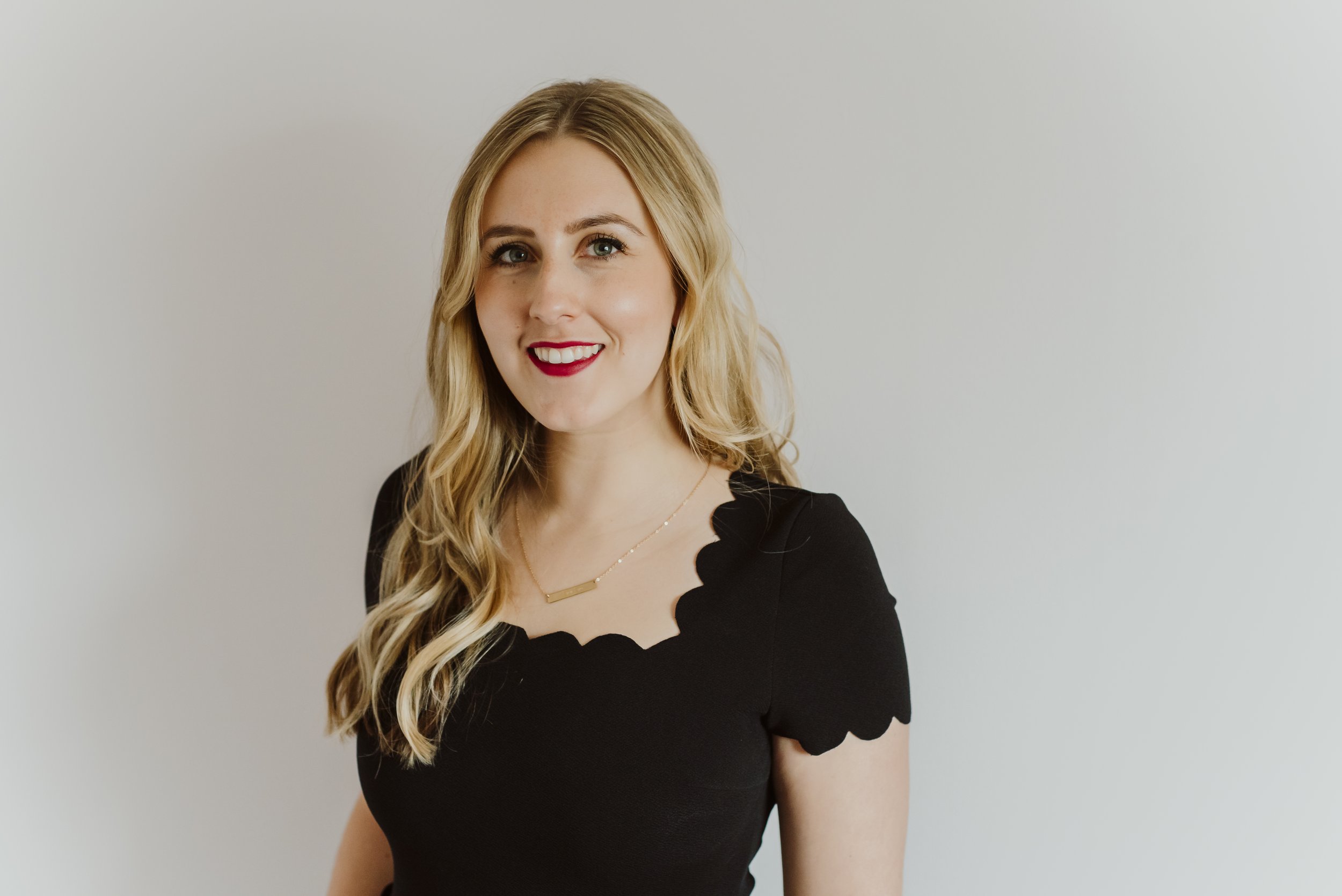
Simona Costantini is the Founder and CEO of VOLT Productions, a leading podcast production agency with 30+ weekly shows, many ranking in the top 30-100 in their niches. Simona is a dynamic speaker and podcast host known for delivering actionable insights and value.
She hosts "Happiness Happens" and "As It Relates to Podcasting" and empowers female entrepreneurs in parenting, wellness, and marketing to launch and grow their podcasts. Her mission is to empower creators to make a meaningful impact with their voices, drawing from her 10+ years of marketing and PR experience. When not working, she enjoys life in wine country with her cockapoo, Gus.
Connect with Simona here:
Instagram: www.instagram.com/simona__costantini
Business Instagram: www.instagram.com/volt.productions
LinkedIn: https://www.linkedin.com/in/simona-costantini-25653a30/
Pinterest: https://www.pinterest.com/SimonaCostantini_/
Website: www.voltproductions.co

SHOW TRAILER